- Lost profit per no-show = price − product you saved
- 8 no-shows a month at $70 ≈ $6,144 a year
- A 20–30% deposit, deducted from the bill, is the salon standard
A salon no-show feels like one lost appointment. Over a year it is often thousands of dollars: the chair stays empty, you or your team are still paid, and rent does not stop. Below you can calculate your own yearly loss, then set a salon deposit and no-show fee that covers it without scaring good clients away.
What a no-show really costs your salon
When a client does not show up, the only cost you save is the product you did not use. Everything else (your time, your team's wages, rent, electricity) you pay anyway.
Example: a beauty salon with an average appointment of $70 and about $6 of product per visit loses $64 per no-show. With 8 no-shows a month that is $512 a month, or $6,144 a year.
See what every treatment earns per hour in the free demo →
No-shows per month vs your yearly loss
| No-shows per month | Lost per month | Lost per year |
|---|---|---|
| 2 | $128 | $1,536 |
| 4 | $256 | $3,072 |
| 8 | $512 | $6,144 |
| 12 | $768 | $9,216 |
Example: $70 average appointment, $6 product cost saved per missed visit. Late cancellations you cannot refill count too.
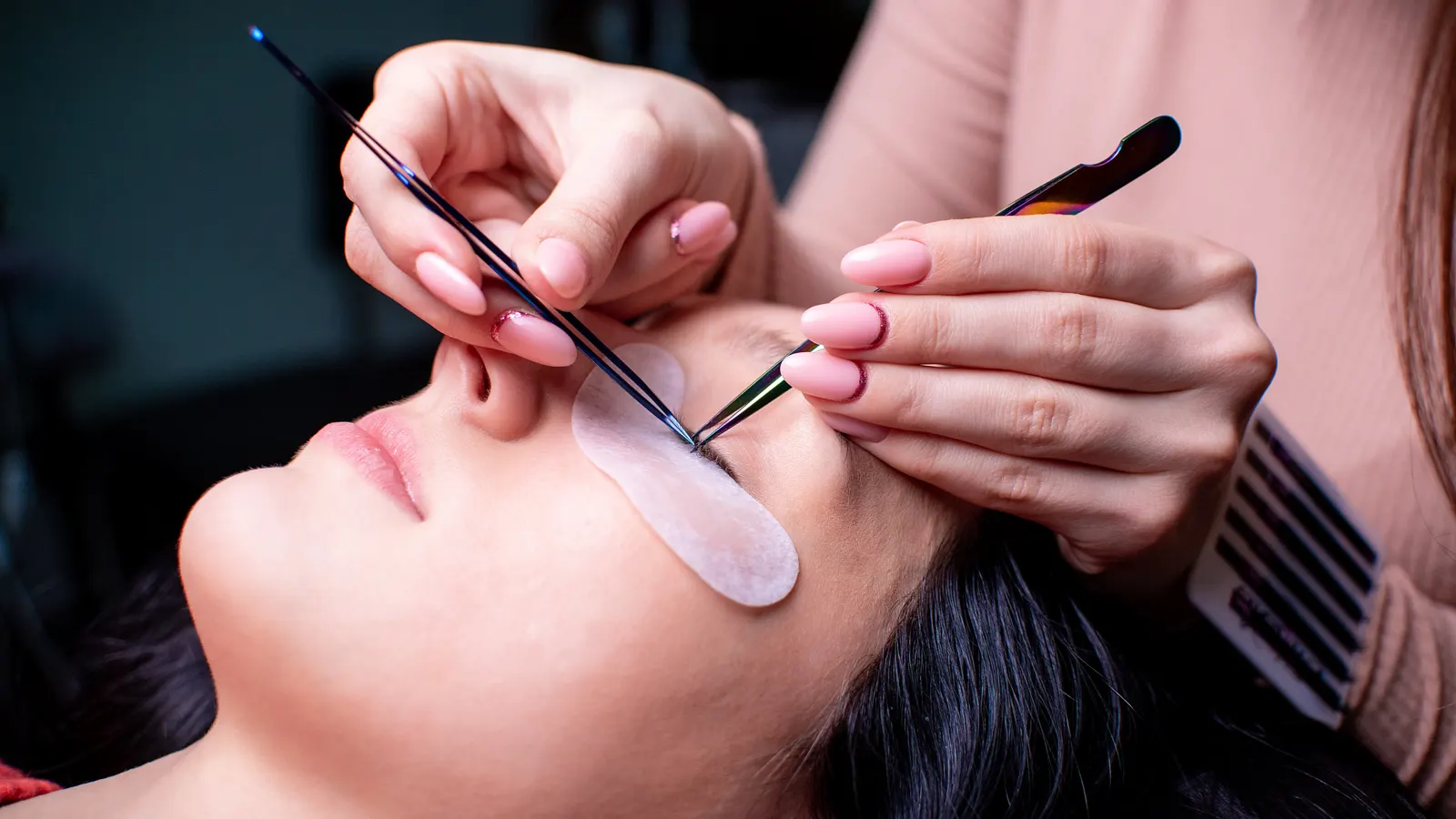
Long treatments hurt most: a missed 2-hour lash set or a full color blocks a slot you could have sold twice. See lash extension pricing for the per-hour math.
Example 2: a lash studio with fewer, longer appointments
A solo lash artist has fewer no-shows than a busy salon, but each one hurts more. With a $120 average full set and about $8 of lashes and glue saved per missed visit:
That is almost as much as the salon in the first example loses with twice as many no-shows. A 50% deposit of $60 on every full set would have covered $240 of that $448 each month, and in practice it also makes most of those clients turn up. For long treatments like lash sets, color or body treatments, a higher deposit is fair and easy to explain.
How much deposit should a salon charge?
- 20–30% of the service is common for regular salon appointments.
- 50% or a fixed amount for long or expensive treatments: full sets, color, PMU, body contouring packages.
- New clients only is a soft start; regulars with a good record can skip it.
- Deduct the deposit from the final bill, so clients who show up pay nothing extra.
In our example a 30% deposit is $21. If all 8 clients still did not show, the deposits would cover $168 of the $512 loss. In practice deposits also make clients far less likely to forget, which is where the real saving is.
No-show fee vs deposit
| Deposit | No-show fee | |
|---|---|---|
| When it is paid | At booking | After the missed visit |
| Do you actually get it? | Yes, already paid | Often not, unless a card is on file |
| Typical amount | 20–50% | 50–100% of the service |
| Best for | New clients, long treatments | Late cancellations of regulars |
Many salons use both: a deposit at booking and a fee for cancellations later than 24–48 hours.
A salon no-show policy you can copy
To book, we take a deposit of [30%], which comes off your final bill. You can reschedule or cancel free of charge up to [24 hours] before your appointment. Cancellations within [24 hours] or missed appointments keep the deposit. Thank you for understanding: your time slot is reserved just for you. 💛
Put it in your booking app, on Instagram and in the confirmation message, and send a reminder 24–48 hours before every appointment.
What to say when a client misses an appointment
A policy only works if you use it, and most salon owners find that the hardest part. Clients who know you follow it every time are also the ones who stop missing appointments. Keep the message calm, short and the same for everyone:
Hi [Name], we missed you at your [time] appointment today. As mentioned in our booking policy, the deposit covers the reserved time. We'd love to see you again; here is a link to rebook whenever it suits you.
- Send it the same day, and don't add a lecture.
- Allow one exception for a real emergency if you want to, and note it in the client's profile.
- Ask repeat no-shows to prepay in full for their next booking instead of banning them right away.
- Treat your team the same way: if a team member's client does not show, decide in advance whether they share in the kept deposit.
Fill the gap: what to do with an empty slot
- Keep a waitlist and message it the moment someone cancels.
- Post a last-minute slot in your Instagram stories.
- Use the time for admin, content or training instead of waiting.
Then look at the bigger picture: how many filled appointments your salon needs each day to cover its costs is in our salon break-even guide.
Frequently asked questions
How much do no-shows cost a salon?
Multiply the service price minus the product you save by your number of no-shows. A salon with a $70 average appointment and 8 no-shows a month loses about $512 a month, or more than $6,000 a year.
Is it OK for a salon to charge a deposit?
Yes. Deposits are common in beauty salons, especially for new clients and long treatments. Deduct the deposit from the final price and explain the policy clearly at booking.
How much should a salon no-show fee be?
Many salons charge 50–100% of the service price for no-shows and very late cancellations. A deposit taken at booking is easier to collect than a fee charged afterwards.
Should regular salon clients pay a deposit too?
Many salons ask new clients for a deposit and let regulars with a good record book without one. If a regular misses two appointments, ask them to pay a deposit for future bookings. Long or expensive treatments usually need a deposit from everyone.
Do appointment reminders reduce salon no-shows?
Yes, reminders are one of the cheapest ways to cut no-shows. Send one 24–48 hours before the appointment with a simple way to confirm or reschedule, so a forgotten slot can still be filled from your waitlist.
Can I charge a no-show fee without a card on file?
You can send an invoice, but many clients will not pay it, and chasing it costs time and goodwill. That is why most salons prefer a deposit at booking or a card saved in the booking app, with the policy shown clearly before the client confirms.

Simple numbers for beauty businesses: pricing, profit and team pay, explained with real examples. More about us. Follow @salonprofitlab on Instagram for weekly tips.
This guide uses example numbers for illustration. It is not accounting, tax or financial advice.